Science & Nature Eyewitness Crystal & Gem Paperback 2014 Geology Gemstone Minera
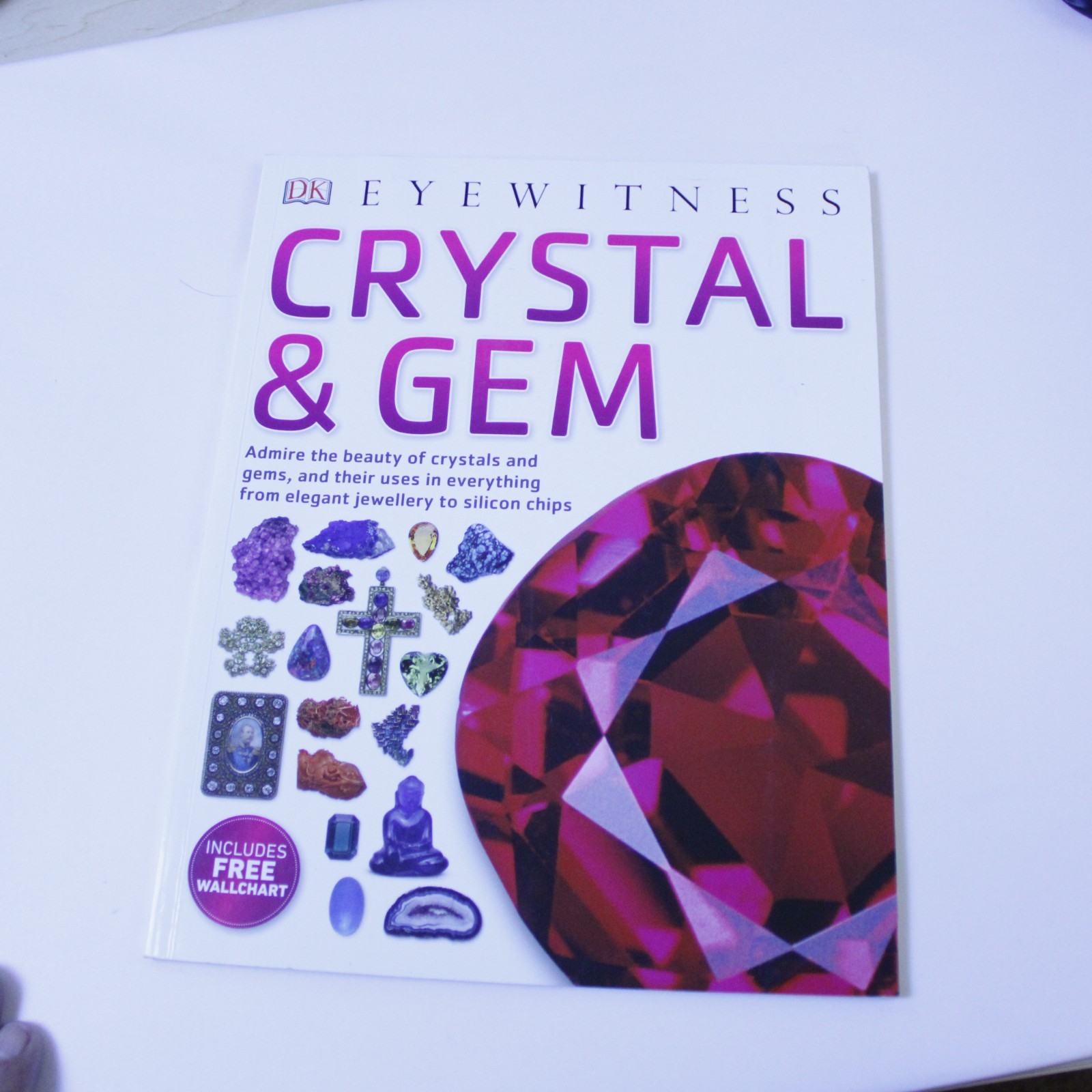
Gemstone Identification Guide: A Comprehensive Eyewitness Look at Crystals, Minerals, and Geology
Gemstone Identification Guide: A Comprehensive Eyewitness Look at Crystals, Minerals, and Geology
The captivating world of gemstones and minerals has fascinated humanity for millennia. From the deepest crystalline veins of the Earth to the dazzling settings of fine jewelry, understanding these natural treasures requires a sophisticated blend of scientific knowledge and visual acuity. This comprehensive Eyewitness Guide is not merely a book; it is an indispensable field manual and academic resource designed to unlock the mysterious complexity of geology, providing an authoritative, accessible journey into the science of earth materials. Whether you are a budding student, a seasoned hobbyist collector, or a professional geologist, this guide elevates your understanding from simple curiosity to expert-level comprehension.
What Exactly Does "Gemstone Identification" Involve, and Why Is It Difficult?
Gemstone identification is far more intricate than simply naming a shiny rock. It is a rigorous process that requires understanding the specific chemical composition, crystalline structure, physical properties, and geological formation history of a sample. Many rocks, crystals, and mineral deposits look similar to the untrained eye, leading to potential misidentification. The core challenge lies in recognizing the subtle differences in internal structure, color play, and associated mineral matrices.
Distinguishing Crystals from Minerals: A Foundational Distinction
While the terms are often used interchangeably in common conversation, in geology, a clear distinction exists. A mineral is a naturally occurring, inorganic solid with a defined chemical composition and a specific crystal structure (a key requirement known as crystalline habit). A crystal is the visible manifestation of that mineral structure when it grows in geometric forms. For example, quartz is both a mineral (SiO₂) and often found as a visible crystal formation. The guide expertly breaks down crystallography, teaching the fundamental principles of how atoms arrange themselves in predictable, geometric patterns. Understanding concepts like lattice structure and crystallography is paramount to true mineral mastery.
Understanding the Key Diagnostic Properties
To properly identify a specimen, one must master several scientific tests. This guide provides vivid, detailed breakdowns of these essential methods:
- Hardness and Mohs Scale: Learning how to use the Mohs scale of mineral hardness (ranking 1 to 10) to estimate resistance to scratching.
- Streak Testing: Identifying the mineral's powdered color by scraping it across a ceramic plate.
- Cleavage and Fracture: Observing how naturally breaking minerals fracture (irregularly) versus how they cleave (along predictable planes).
- Specific Gravity: Calculating the density of the mineral compared to water, a critical field assessment.
How Does This Eyewitness Guide Structure Complex Geological Knowledge for Modern Learners?
The genius of this publication lies in its didactic format. It translates advanced university-level concepts—such as igneous, sedimentary, and metamorphic rock formation processes—into highly digestible, visually supported chapters. The combination of detailed photography, scientific illustrations, and concise, expert commentary ensures that the material is engaging for casual readers yet rigorous enough for academic study.
The Value of Visual Learning in Mineralogy
Geology is inherently visual. Understanding a mineral family requires seeing examples of its varied habits—from dendritic structures to massive outcroppings. The book excels here by offering a comprehensive visual taxonomy. It covers an astounding range of subjects, allowing the reader to visually map out the differences between similar, yet distinct, species, such as identifying various types of beryl or distinguishing agate from jasper. For students, this visual reference serves as a perfect academic companion, solidifying classroom lectures into tangible, lasting knowledge.
Utility for Fieldwork and Classroom Study
The format is specifically designed with the active learner in mind. Its portable paperback format means it can be carried into the field, making it an immediate, reliable resource when faced with an unknown specimen. Whether you are analyzing an exposed rock face during a hike or completing a university assignment, the guide provides context, formation history, and practical identification steps—all in one highly reliable volume. For serious collectors, having this expert reference guide is crucial for cataloging and accurately identifying their natural collection pieces.
Why Is Advanced Knowledge of Mineralogy Essential for Earth Science Enthusiasts?
Mineralogy, the study of minerals, forms the backbone of geology. It allows us to interpret the deep history of the planet. By understanding the mineral composition of rock strata, scientists can deduce the environmental conditions—the temperature, pressure, and chemical environment—that existed millions of years ago. This guide delves into these profound systems, offering dedicated sections on:
- Crystal Chemistry: Exploring the chemical formulas and elemental origins of diverse gem types.
- Formation Environments: Detailing how certain minerals form exclusively in hydrothermal veins, metamorphic zones, or sedimentary layers.
- Economic Geology: Providing insight into how specific geological processes lead to commercially valuable ore deposits, connecting pure science with real-world human history.
Mastering these interconnected fields transforms the reader from a casual observer into a genuine amateur geologist, capable of reading the story written in stone.
Who Should Own a Comprehensive Gemstone Identification Guide?
This guide is the ultimate educational resource for several key demographics:
- Hobbyist Rock Collectors: Those who want to elevate their collection beyond mere beauty and understand the scientific pedigree of each piece.
- Students and Educators: Ideal for educational institutions, providing a robust, visually engaging supplement to curricula covering natural sciences.
- Science Enthusiasts: Anyone who has ever been captivated by a sparkling crystal, wanting a definitive, scientifically grounded answer to their curiosity.
- Beginning Geologists: Offering a structured, progressive learning curve that covers the necessary vocabulary and technical processes required for the field.
If your goal is to move beyond superficial appreciation and gain a profound, scientific understanding of the crystalline forms that define our planet, this resource is unmatched. For a detailed exploration of crystal structures, formations, and the history of gem collecting, take a look at this item here: view this item. The wealth of knowledge contained within this guide solidifies its standing as a definitive textbook for the science of gems and minerals.
By integrating the latest insights from global geology and presenting them in a beautifully illustrated, systematic guide, this Eyewitness guide ensures that the pursuit of knowledge is both beautiful and deeply informative. Armed with the knowledge provided by this book, you are equipped not just to observe nature, but to interpret the complex, breathtaking narrative written in stone. To acquire this essential reference tool and begin your journey into the crystalline depths of the Earth, view this item.
Gemstone Identification Guide: A Comprehensive Eyewitness Look at Crystals, Minerals, and Geology


Comments
Post a Comment