Detroit Department Store History J L Hudson Architecture Book Memoir
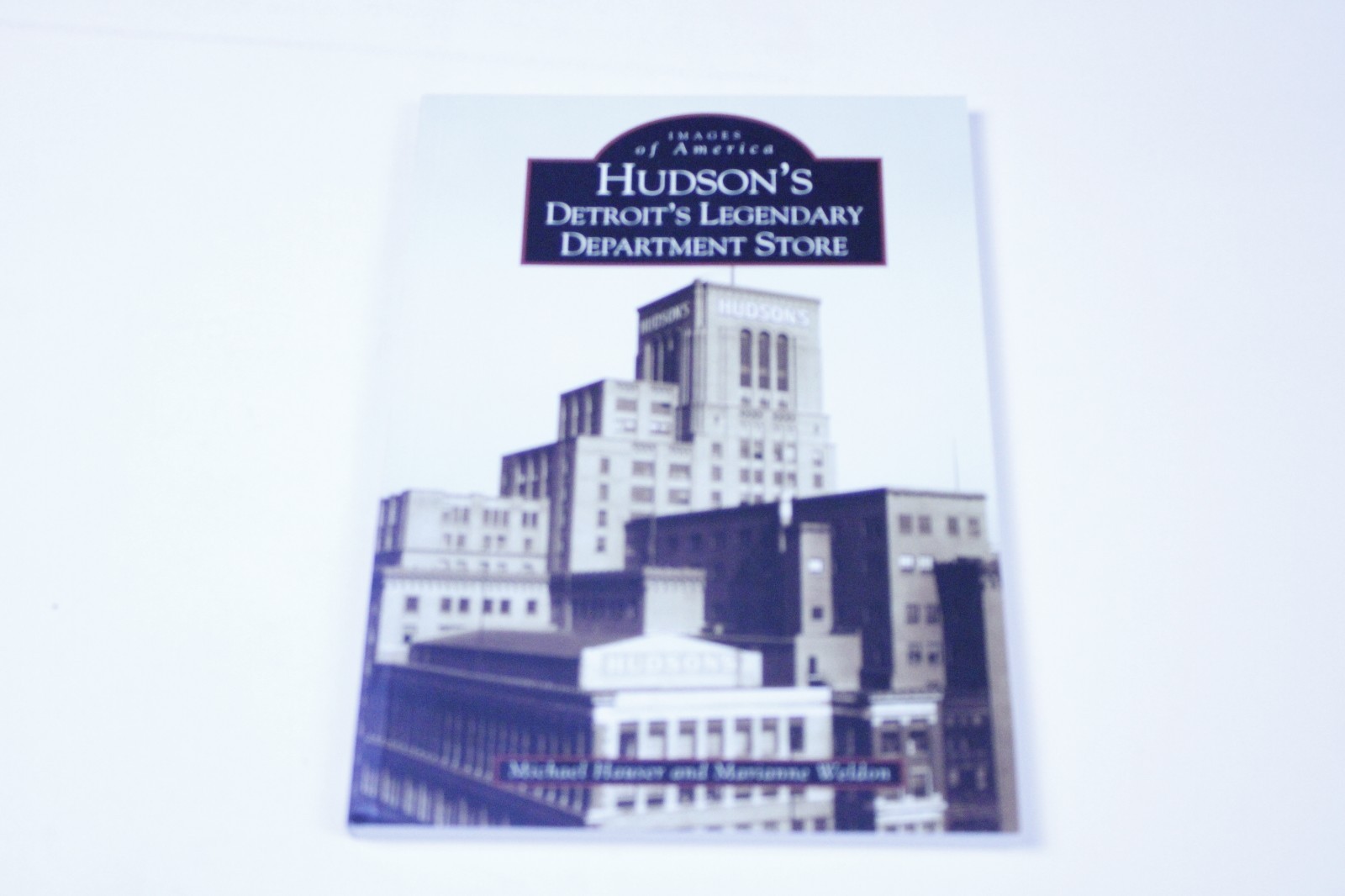
Local History: Detroit's Lost Grandeur—The Architectural Memoir of J. L. Hudson's Department Store
Local History: Detroit's Lost Grandeur—The Architectural Memoir of J. L. Hudson's Department Store
For those who cherish the narrative of American urban development and the rich tapestry of local Detroit culture, this memoir is more than just a book; it is a richly documented portal back to a truly golden era of commerce and architectural ambition. J. L. Hudson's was not merely a store; it was an iconic Detroit landmark, a physical embodiment of the city's prosperity and the evolution of retail itself. This comprehensive volume allows readers to walk, virtually, through the magnificent halls and sophisticated shopping rituals that defined a pivotal moment in Detroit's history.
What Core Insights Does This Memoir Offer into Detroit's Cultural History?
Understanding the significance of J. L. Hudson's requires looking beyond the architecture. This book delves deeply into the socio-economic context that allowed such a magnificent institution to flourish. It serves as a crucial resource for historians, enthusiasts, and general readers who wish to grasp the confluence of commerce, social change, and urban growth that characterized mid-20th-century American life.
How Deeply Does the Book Explore Architectural Significance?
The architectural aspect is a central pillar of this publication. It meticulously chronicles the design, evolution, and structural importance of the J. L. Hudson building within the greater Detroit cityscape. Readers will find detailed accounts of the building's grandeur, the materials used, and how its unique façade and interior design mirrored the wealth and culture of the Detroit community. For architectural enthusiasts, the book is a vital study in the history of commercial design, illustrating how landmark buildings dictate the character and trajectory of a neighborhood.
Who Is the Ideal Audience for This Unique Historical Record?
The breadth of topics ensures broad appeal, yet it is particularly invaluable for several specific groups. This book is an essential read for:
- Local Detroit History Buffs: Those seeking a deep dive into the city’s past and understanding its foundational commercial pillars.
- Genealogists and Family Historians: The book provides a rich cultural backdrop, placing personal family stories within the grand narrative of Detroit's expansion.
- Urban Exploration and Architecture Enthusiasts: It offers a narrative view of urban decay, renewal, and the physical endurance of great city structures.
- Collectors of Americana: It functions as a high-quality piece of historical memorabilia, capturing the nostalgia and glamour of classic American retail.
Why Is This Memoir Considered an Essential Resource for Collectors and Local Historians?
The utility of this book extends far beyond simple reading enjoyment. It solidifies itself as a definitive reference point, offering detailed accounts and rich visual storytelling supported by archival photography. It provides a multi-layered educational experience, treating the department store as a cultural nexus rather than just a building.
What Specific Historical Depth Does It Provide Regarding Retail Culture?
The memoir doesn't just show the building; it recreates the shopping experience. It immerses the reader in the world of the Golden Age of department stores—the rituals, the luxury goods, the public face of aspirational American life. This depth of narrative transforms the book into a living exhibit, allowing readers to feel the grandeur of those bygone days. Understanding the mechanisms of retail history provides crucial insight into the changing fabric of American consumerism.
How Does the Book Serve as a "Memoir" Rather Than a Dry Textbook?
The content is structured for maximum engagement. While the information is scholarly and robust, the tone is that of a compelling memoir. It employs vivid storytelling techniques, making complex historical and architectural data feel personal and accessible. This approach ensures that the material remains highly enjoyable for the general reader, fulfilling its mission as a perfect piece of bookshelf décor and deeply absorbing read simultaneously. For further details on this must-read piece of Detroit history, view this item.
Practical Considerations: Format, Scope, and Value
For those considering this book as a gift or a piece for a collection, understanding its physical attributes and thematic scope is important. The publisher has ensured that the content is both substantial and portable.
Is This Book Focused Only on Architecture, or Does It Cover Broader Social Themes?
While the magnificent architecture of J. L. Hudson's is undeniably a major focus, the memoir is intentionally holistic. It is categorized as a history guide because it weaves together the physical structure (architecture), the consumer habits (retail culture), and the city’s growth story (urban development and social history). It is a comprehensive narrative tapestry, ensuring that even readers less concerned with structure will find profound utility in its cultural anecdotes.
What Format and Utility Can I Expect?
The book is presented in a visually rich, trade paperback format. Containing approximately 128 pages, it is designed to be a compact yet profound reading experience. The inclusion of high-quality archival photography is key to the reading experience, providing visual context that brings the historical descriptions to life. This makes it an exceptional gift choice for anyone with a passion for Michigan history or American Americana.
The depth of content ensures longevity as a reference tool. It is not a fleeting read; it is a foundational piece of local Detroit literature. By chronicling the life and eventual metamorphosis of such an enduring institution, the book captures the spirit of Detroit—its grandeur, its challenges, and its unwavering cultural heart. Making this volume a centerpiece for any library dedicated to American regional history is a decision that rewards the collector with depth, nostalgia, and powerful historical insights. If you are planning your purchase or wish to compare details, view this item to secure your copy of this invaluable historical memoir.
Local History: Detroit's Lost Grandeur—The Architectural Memoir of J. L. Hudson's Department Store


Comments
Post a Comment